For BackTheBrush Studio Notes, we asked Pamela O'Brien of Pamela Hope Designs how commissioned artwork can move beyond filling wall space. Her answers return to personalization, trust, and the way a single artwork can become the beginning of a longer relationship between artist, client, and place.
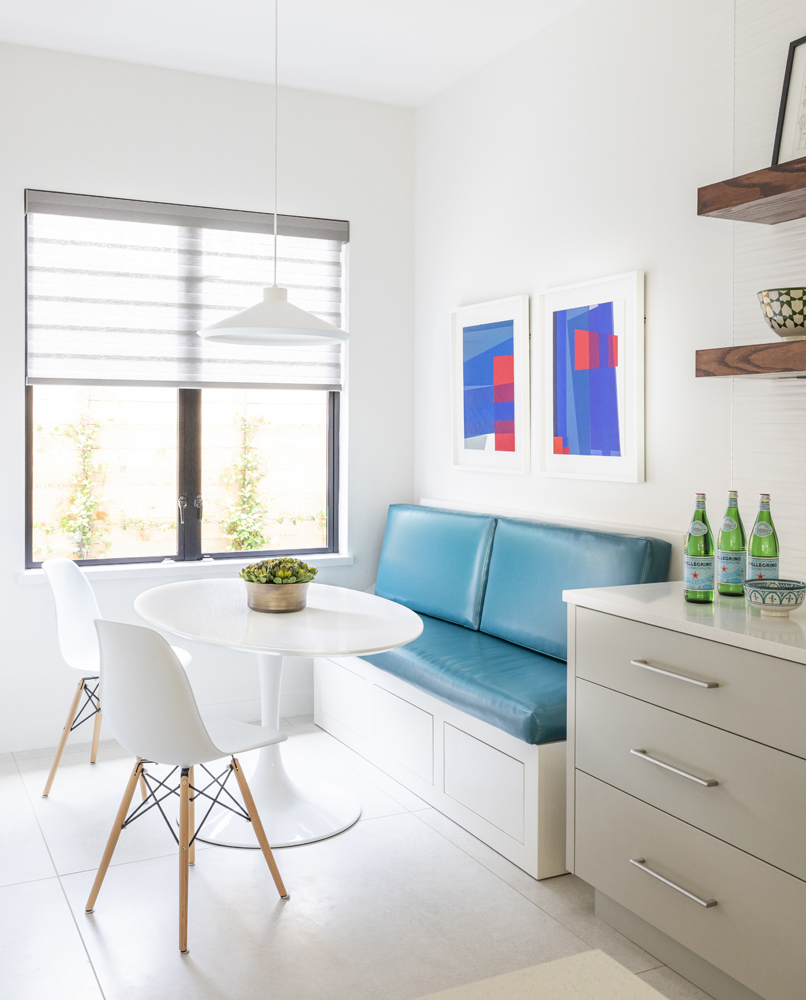
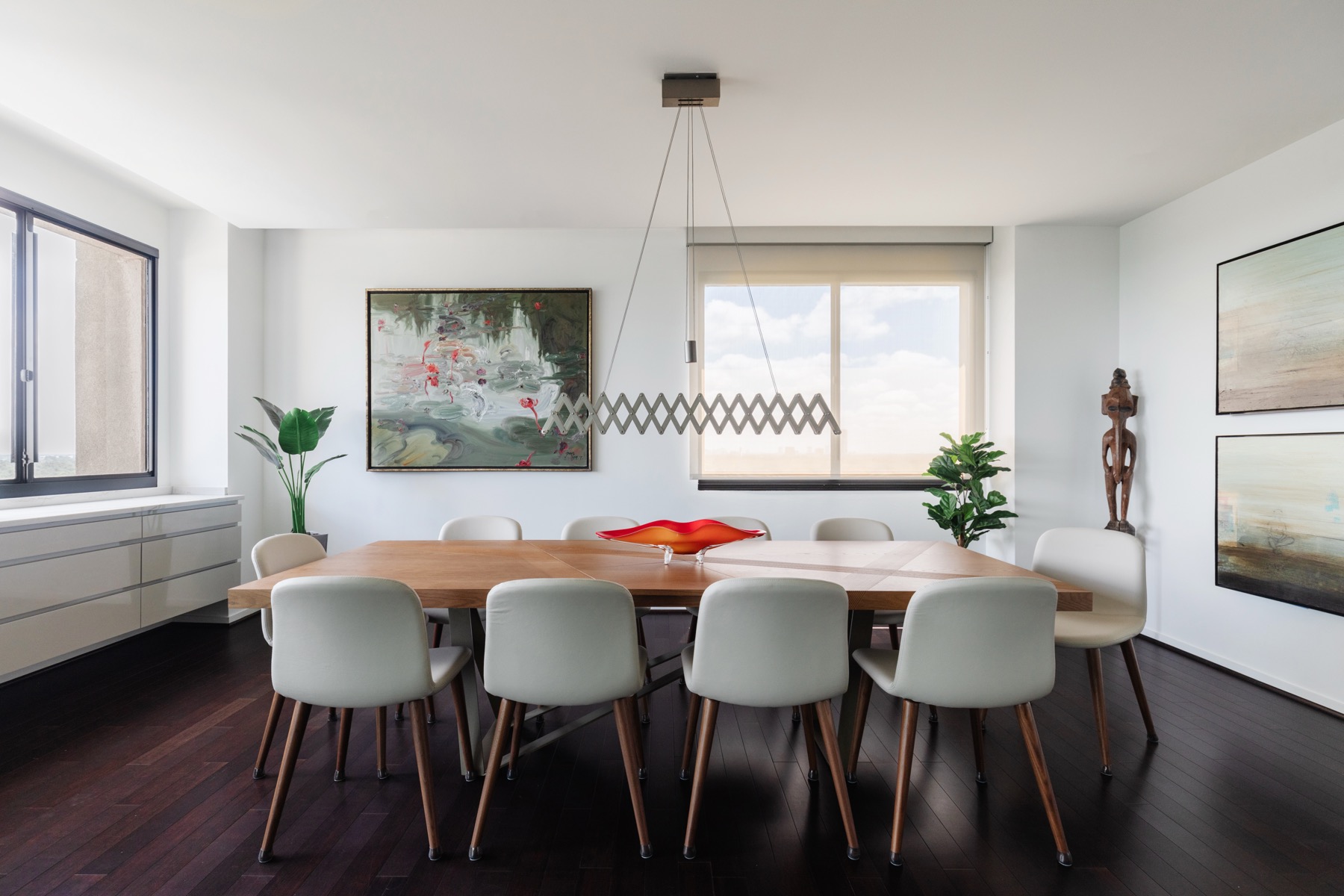
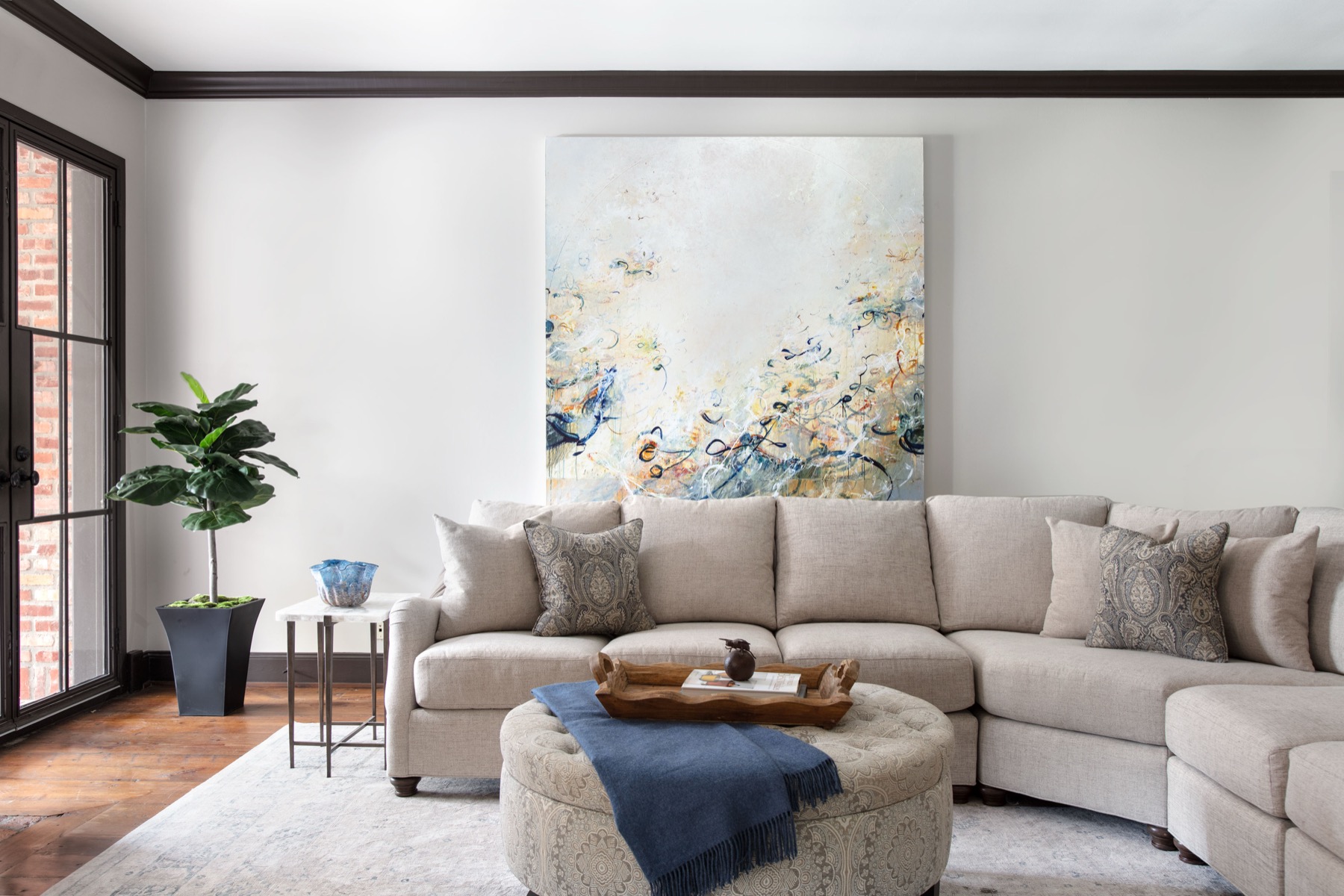
Commissioned art is an ideal way to create personalized interiors and avoid a cookie-cutter appearance.
What makes a commissioned artwork feel like it belongs?
For O'Brien, commissioned art gives a client a way to learn about artists, choose someone whose work resonates, and collaborate on an original piece rather than defaulting to something that simply matches a wall.
That collaboration can solve practical design problems such as scale, proportion, and palette, but its value is not only logistical. In her experience, both the artist and the client often enjoy the relationship they build through the process. Clients can become fans, and sometimes collectors, of the artist they selected.
Where do living artists fit best right now?
O'Brien sees potential across private homes, hospitality, and collector projects. For multiple sales and future opportunities, however, she thinks hospitality and commercial clients can be especially strong.
A single art concept can expand into a larger order. Buildings need art in many places: statement pieces in common areas, interest along corridors, work in private offices, and pieces for overlooked employee spaces such as break rooms and restrooms. The original idea can evolve into different sizes, shapes, colors, and forms across a project.
That said, she also values the slower private path: forging a personal relationship with an individual client, creating a commissioned piece, and possibly seeing that client become a collector over time.
What do clients misunderstand about commissioning original work?
O'Brien likes clients to be involved, but she also thinks they need to remember why they chose the artist in the first place. A commission should invite the artist into a creative approach, not push them toward a copycat result.
Her design team stays close to the process. They like to review early renderings with the artist before the work gets too far along, then look again before the piece is finished. At both stages, the team can suggest modifications they know the client will appreciate and that will complement the surrounding interiors.
The goal is not to control the artist. It is to use the design team's deep relationship with the client and intimate knowledge of the space to help the final piece succeed for both the client and the artist.
Commissioning as relationship, not procurement
O'Brien's answers point to a practical version of patronage. Original art is not treated as a romantic afterthought or a decorative upgrade. It is part of the design process: a way to personalize a room, support living artists, and create a relationship that can continue after the first piece is hung.
In that frame, commissioned work belongs because it is made through conversation. The artist brings authorship, the client brings memory and desire, and the designer helps translate both into a space people actually live with.
This interview is based on an email exchange; answers have been lightly formatted for length and flow without changing meaning.